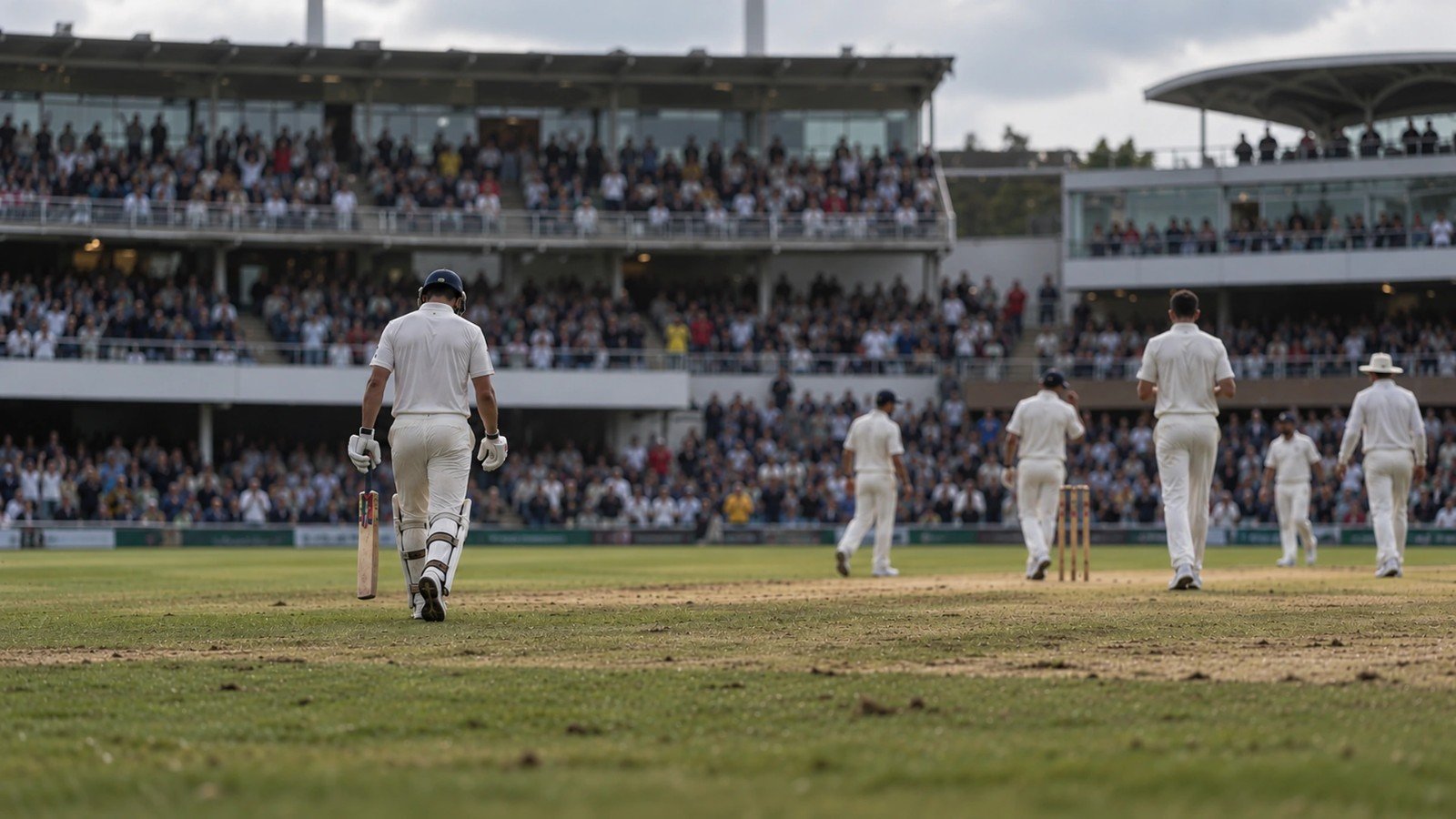
Why Is It Almost Impossible to Break These 8 Fast Bowling Records?
Phil Simmons gave away three runs in ten overs. James Anderson took 704 Test wickets. Why are these and six other fast bowling records so hard to beat?
@why-is-it-not-possible
We explore the real limits behind science, technology, sports, movies and music. Each article looks at why something may not be possible, what stands in the way, and where the actual limits come from.
Phil Simmons gave away three runs in ten overs. James Anderson took 704 Test wickets. Why are these and six other fast bowling records so hard to beat?
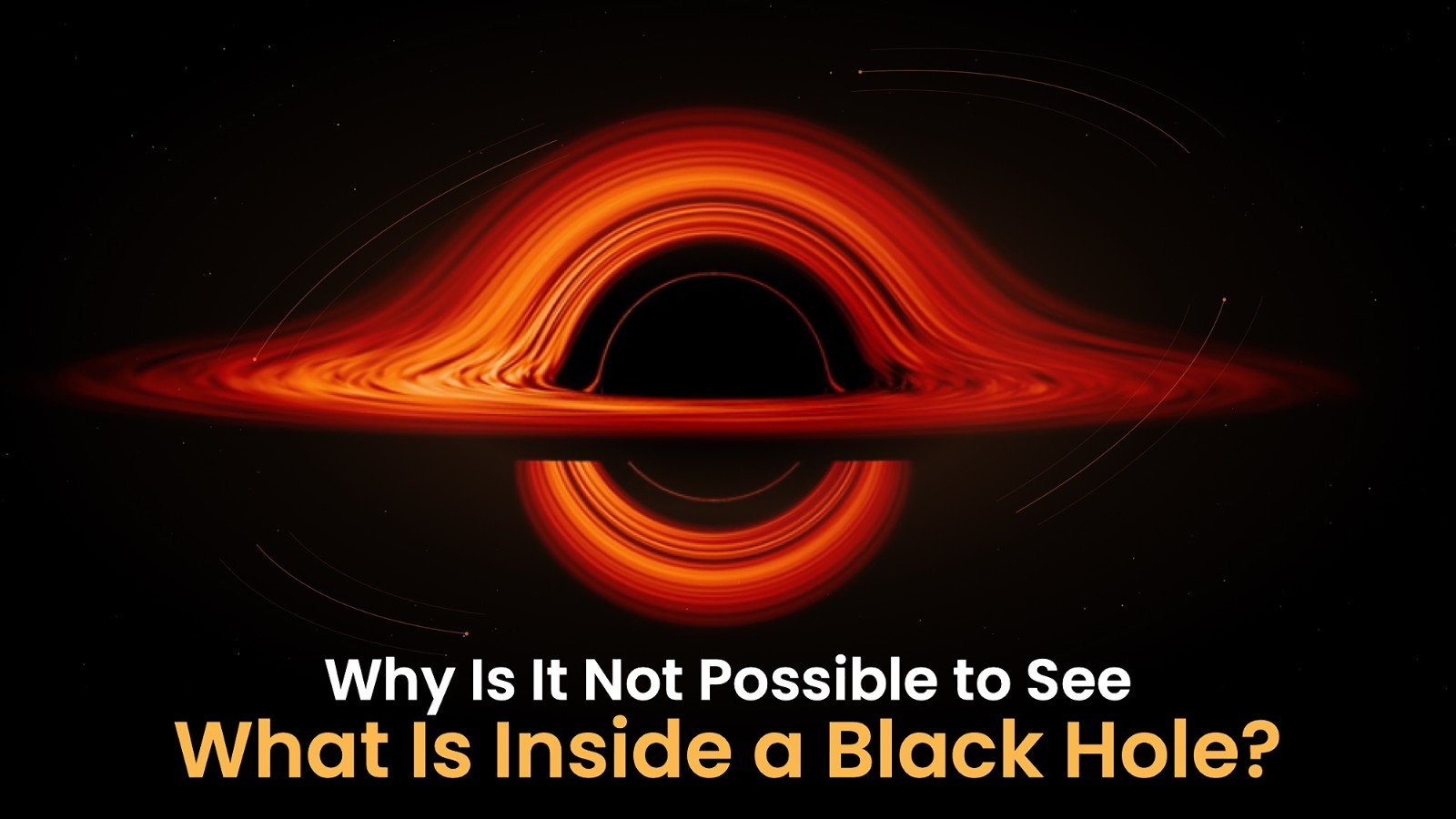
Suppose a camera fell into a black hole and kept recording. Why couldn’t it send back a single picture? The answer lies in what happens to light once it crosses the event horizon.
Nadal’s 14 titles, a champion aged 16 and a final lasting just 32 minutes. Why have these French Open records proved so difficult to break?
Why have even the best Premier League teams struggled to beat these records? From Arsenal’s unbeaten season to Chelsea’s 86-match home run, we explain what makes each achievement so difficult to repeat or surpass.
Noise-cancelling headphones can quiet an engine’s rumble, but voices may still get through. Even a perfect seal cannot block every way sound reaches your ears.
Federer’s five straight titles, Evert’s 16 consecutive semifinals and a 105-game match—why these US Open records are so difficult to break.
Brain scans and AI can reveal parts of what someone hears or imagines. Why does reading their exact thoughts remain beyond today’s technology?
Messi scored 474 La Liga goals. Athletic Club once beat Barcelona 12–1. Why have these records, and nine others, proved so difficult to break?
Can a machine keep running forever without fuel or electricity? Inventors have tried using gravity, magnets and clever mechanical designs for centuries. But why does every attempt fail? The answer lies in the laws of thermodynamics and what happens to energy inside the machine.
Courtney Walsh made 43 Test ducks, while Chuck Fleetwood-Smith conceded 298 runs in a single innings. Why have some of cricket’s worst records remained unbroken for so long?
Scientists can map dangerous faults and issue alerts after a rupture begins. But no system can reliably predict an earthquake’s exact time, place and magnitude.

Why can no tennis player dominate every surface? Clay, grass and hard courts change the bounce, movement, timing and style needed to win.

Virtual reality cannot reproduce real life perfectly. Discover why vision, touch, movement, smell, body signals and human interaction remain difficult to copy.

Discover eight Australian cricket team records that may never be broken, including six World Cups, a 34-match unbeaten run and 21 straight ODI wins.

Why cameras cannot capture the world exactly as human eyes see it, even with HDR, better sensors and advanced image processing.

Champions League records that may never be broken, from Real Madrid’s five straight European Cups to Ronaldo’s 140 goals and more.

Why a perfect football player can never exist, even in a game of Messi, Ronaldo, Pelé and modern football science.

No football team can stay dominant forever. Age, tactics, money, workload, pressure and rivals eventually catch every football dynasty.

Why flying like superheroes is physically impossible: the human body lacks the lift, thrust, control, energy and landing protection real flight needs.

Three consecutive Champions League titles have been won only once in the modern era. Here’s why PSG may struggle to match Real Madrid’s record.